Comparing Central vs. Split HVAC Systems: Finding the Right Fit for Your Home Jan 21, 2026
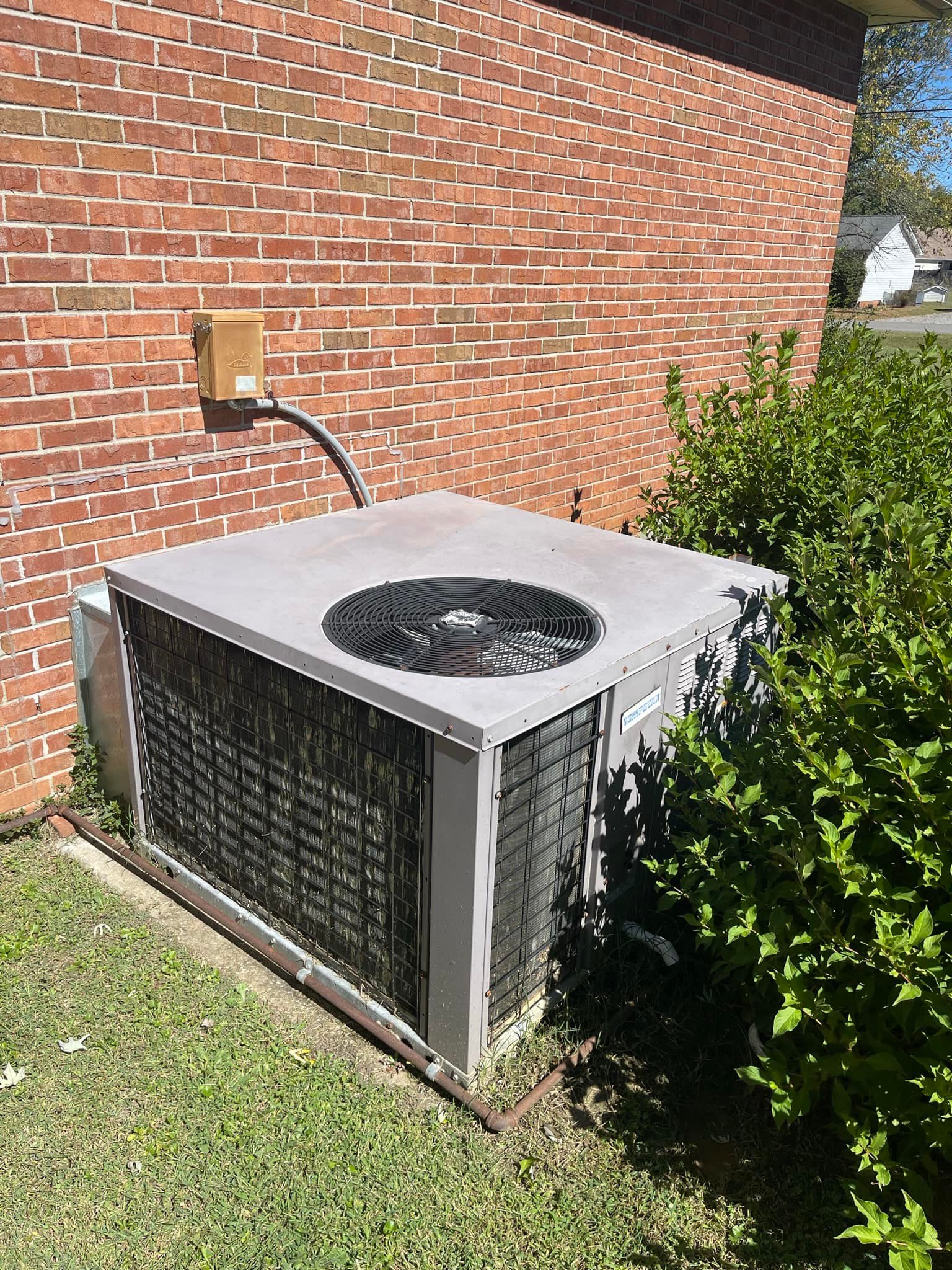
Firstly, let's understand what constitutes central and split HVAC systems. A central HVAC system, as the name implies, operates by circulating air through a network of ducts and vents from a single location—usually an air handler—throughout the entire home. On the contrary, split HVAC systems, commonly known as ductless systems, consist of an outdoor compressor coupled with one or more indoor units that directly deliver conditioned air to specific zones or rooms.
When considering these options, it's important to evaluate your home's architecture and energy goals. Central HVAC systems are ideal for homes with existing ductwork. They effectively cater to large spaces by maintaining uniform temperature levels throughout the house. Moreover, with advancements in central air conditioning technology, new systems offer improved energy efficiency, reducing long-term operational costs. However, installation can be costly if your home lacks adequate ductwork or requires significant renovations.
Split HVAC systems offer a flexible and often more energy-efficient alternative, especially for homes lacking ductwork or those with varied room usage patterns. These systems enable zoning, allowing you to heat or cool specific areas, customizing comfort while curtailing energy consumption. For instance, if you use your living room and kitchen more than the guest rooms, a split system can significantly lower utility bills by only conditioning active spaces. Installation tends to be simpler and less intrusive as well, without the need for extensive ductwork modifications.
The climate in your area is another factor to consider. Central HVAC systems typically perform well across a broader range of climates, providing consistent heating and cooling. However, split systems excel in locales with mild climates, where zoning and energy conservation are paramount.
Maintenance is another critical aspect. Central systems require routine check-ups to avoid potential problems within the ductwork, such as leaks or mold growth, which could compromise efficiency. Regular filter changes and periodic professional servicing by experts like Jarrell’s Quality Heat and Air are vital. Conversely, split HVAC systems generally offer easier maintenance, with filter changes and occasional unit cleanings sufficing for optimal operation.
It's also worth considering your future plans. If you anticipate expanding your home, a central system may incur greater modification costs, whereas additional zones in a split system can often be added with relative ease.
Ultimately, when deciding between central and split HVAC systems, weigh the initial investment against long-term utility savings and personal comfort preferences. Each system comes with distinct benefits and trade-offs. Central systems provide a more traditional approach with evenly distributed air, while split systems offer personalized comfort and potential savings on your energy bills.
By better understanding the suitability of central versus split systems, you can make a choice that best aligns with your lifestyle and home environment. We at Jarrell’s Quality Heat and Air are committed to guiding you every step of the way, ensuring your HVAC system delivers unparalleled comfort year-round. Ready to explore your options? Connect with us today for personalized advice and service tailored to your needs.
/filters:no_upscale()/filters:format(webp)/media/1c9f714a-9c2d-4dc6-b2fa-55db3f2eb60d.jpeg)
/filters:no_upscale()/filters:format(webp)/media/9b33b1de-d429-4d9b-bfb6-3877d79db880.jpeg)