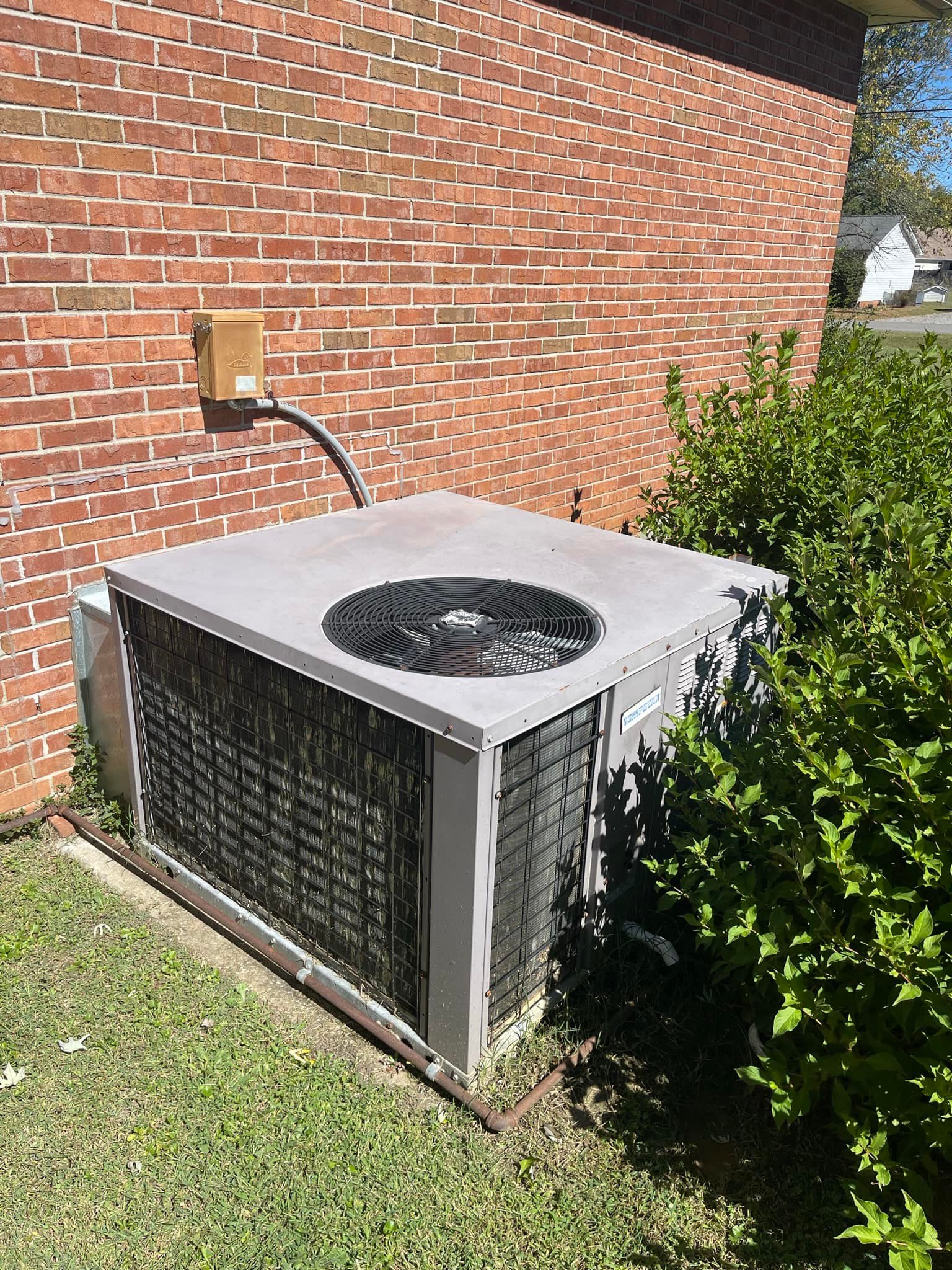
The Environmental Benefits of Retrofitting Your HVAC System Dec 22, 2025
At the heart of retrofitting is the enhancement of energy efficiency. An outdated HVAC system tends to consume more energy, increasing the demand on power plants, which primarily rely on fossil fuels. This not only translates to higher electricity bills but also contributes to greenhouse gas emissions. By upgrading to newer, more efficient components, you significantly reduce energy consumption. The incorporation of variable-speed motors, programmable thermostats, and improved ductwork can make your HVAC system run more efficiently, consuming less power and thus reducing your carbon footprint.
In addition, retrofitting helps to reduce waste. Many people choose to replace their entire system when they encounter inefficiencies or malfunctions. However, this approach often involves discarding a large amount of material—much of which ends up in landfills. By opting for retrofitting, you extend the life of your existing system, keeping more material out of waste streams. Moreover, many components that are removable and replaceable can be recycled, further lessening the impact on the environment.
Another key benefit of retrofitting is improved indoor air quality. An upgraded HVAC system can enhance filtration and ventilation, crucial for maintaining healthy air circulation within your home. This improvement not only affects your health directly but also has environmental benefits. High-quality filters capture more pollutants before air is expelled back into the environment, thereby reducing public exposure to these contaminants.
One of the often-overlooked aspects of retrofitting is its ability to adapt your system to accommodate renewable energy sources, like solar power. By making your HVAC system compatible with solar panels, you can harness clean energy from the sun, which poses no damage to the earth. This integration furthers the goal of lowering your dependence on non-renewable energy sources, thus promoting environmental sustainability.
Alongside these environmental advantages, retrofitting also makes economic sense. The government offers incentives and rebates for consumers who enhance their homes' energy efficiency. By capitalizing on these financial incentives, you not only help the environment but also offset some of the upfront costs associated with retrofitting. Over time, the reduction in energy bills will also contribute to substantial savings, making retrofitting not only an eco-friendly choice but a smart investment.
Finally, it's important to remember the role and expertise of Jarrell's Quality Heat and Air in this process. Our team of professionals can assess your current system and recommend specific retrofitting options that will maximize efficiency and environmental benefits. Incorporating the latest technology and best practices, we ensure that your retrofitted system runs as effectively and sustainably as possible.
In summary, retrofitting your HVAC system is more than a functional upgrade; it is a pathway to a greener home and a healthier planet. By choosing to retrofit, you take a decisive step towards reducing energy waste, minimizing environmental impact, and improving your living environment. Embrace the opportunity to retrofit and make a meaningful difference with Jarrell’s Quality Heat and Air, leaders in sustainable HVAC solutions.
/filters:no_upscale()/filters:format(webp)/media/1c9f714a-9c2d-4dc6-b2fa-55db3f2eb60d.jpeg)
/filters:no_upscale()/filters:format(webp)/media/9b33b1de-d429-4d9b-bfb6-3877d79db880.jpeg)